Introduction: Why Team Building Matters for HR and L&D Leaders
As an HR or L&D professional, fostering collaboration and employee engagement is critical. The right team-building activities don’t just add fun to the workplace—they break down silos, improve communication, and create a culture of trust and productivity. Here’s a comprehensive list of 10 highly effective office games designed to energize teams, boost morale, and drive results.
Top 10 Office Games for Team Building
1. Office Scavenger Hunt

An Office Scavenger Hunt transforms your workspace into an interactive playground. Employees split into teams and race against the clock to locate hidden objects or complete quirky challenges. It’s a fun, interactive way to energize your team and spark creativity.
Why It Works: The game can be tailored with company trivia, product knowledge, or mission-driven clues, reinforcing corporate culture while encouraging cross-departmental collaboration.
Benefits:
- Boosts collaboration and team spirit.
- Encourages out-of-the-box problem solving.
- Great for onboarding new employees.
2. Two Truths and a Lie
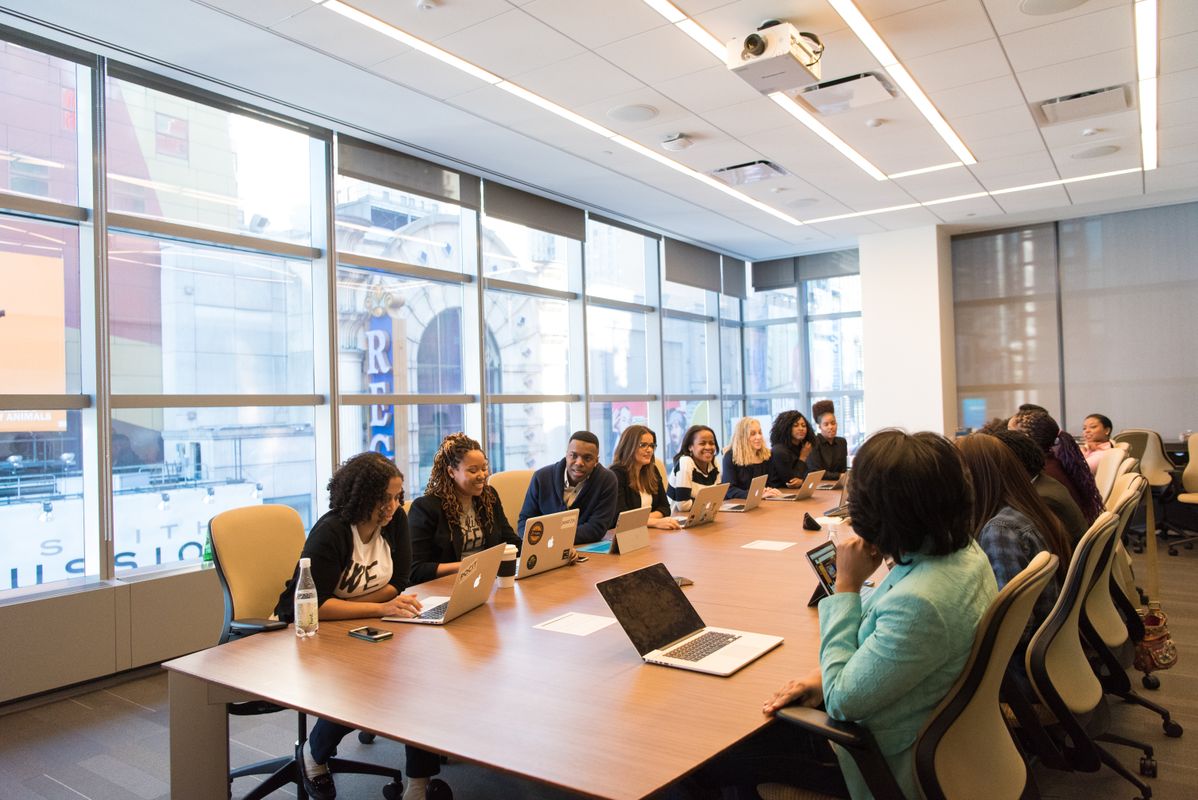
This icebreaker helps team members connect quickly. Each participant shares two true statements and one lie about themselves. The group’s goal is to figure out which statement isn’t true.
Why It Works: It encourages employees to open up, discover surprising facts about colleagues, and develop bonds beyond work tasks.
Benefits:
- Strengthens interpersonal relationships.
- Improves listening skills and attention to detail.
- Perfect for both small and large groups.
3. Office Trivia Challenge
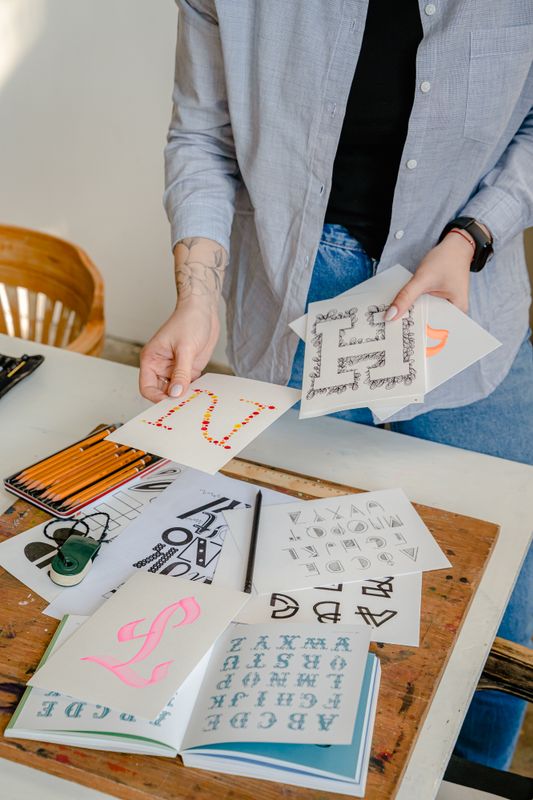
The Office Trivia Challenge brings a competitive twist to your workplace. Create a set of trivia questions related to your company’s history, industry trends, or even pop culture references. You can split employees into teams and keep score to encourage friendly competition.
Why It Works: This activity engages employees intellectually and helps reinforce corporate knowledge in an entertaining way. It’s perfect for teams that enjoy learning and competing simultaneously.
Benefits:
- Promotes knowledge sharing and learning.
- Encourages teamwork and strategic thinking.
- Ideal for both in-person and virtual environments.
4. Pictionary (Office Edition)

Pictionary is a drawing game where players attempt to convey a word or phrase to their team through sketches alone. In the Office Edition, prompts are customized with work-related terms such as project names, office equipment, or company slogans.
Why It Works: It fosters creativity and requires participants to think visually and communicate quickly.
Benefits:
- Inspires creative problem solving.
- Encourages fast-paced teamwork.
- Helps break the ice and generate laughter.
5. Charades
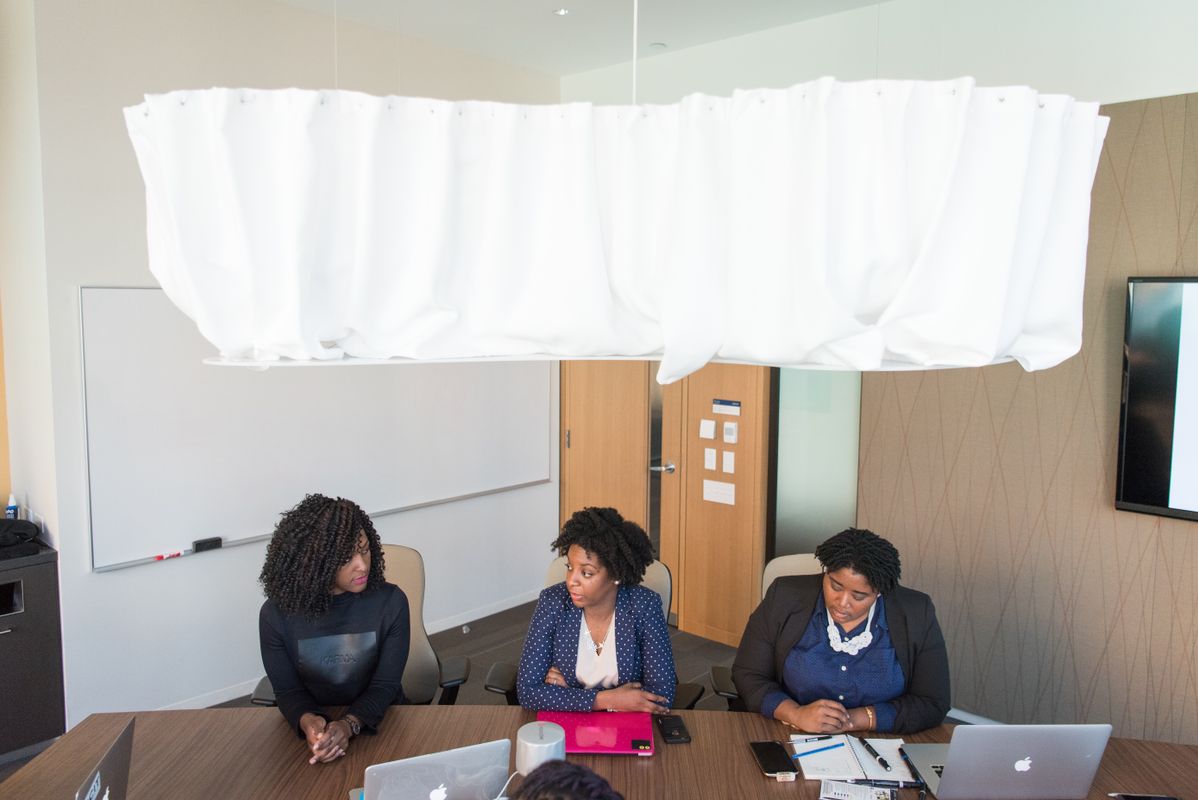
Charades is a classic non-verbal game where players act out words or phrases while their teammates try to guess them. It’s a fun way to encourage physical expression and team connection.
Why HR Loves It: Charades is easy to set up and engages participants of all personality types, from introverts to extroverts.
Benefits:
- Develops non-verbal communication skills.
- Fosters trust and group bonding.
- Perfect for short bursts of energy during busy days.
6. Minute to Win It

Minute to Win It games are quick, high-energy challenges where participants have just 60 seconds to complete a task. From stacking cups into a pyramid to bouncing pencils into a cup, these games require minimal resources and are perfect for injecting fun into the workday.
Why It Works: It’s ideal for teams with tight schedules since the activities are short yet engaging.
Benefits:
- Boosts morale and injects excitement into the day.
- Encourages agility, focus, and coordination.
- Can be easily tailored for different group sizes and skill levels.
7. Blind Drawing

Blind Drawing is a game that tests communication skills and trust. Employees pair up; one is blindfolded and must draw a picture based solely on verbal instructions from their partner.
Why HR Leaders Love It: This game highlights the importance of clear instructions and active listening in teams.
Benefits:
- Improves communication and collaboration.
- Encourages patience and understanding between colleagues.
- Creates humorous and memorable team moments.
8. Office Bingo
Office Bingo puts a fresh spin on the traditional game by using work-related prompts. Employees cross off squares as they encounter phrases, behaviors, or events throughout the day or week. Examples include “Someone says ‘circle back’” or “Coffee machine is out of order.”
Why It Works: It encourages observation and creates a fun way for employees to engage with their surroundings.
Benefits:
- Enhances awareness of workplace dynamics.
- Promotes lighthearted conversations and laughter.
- Suitable for long-term play over several days.
9. Escape Room Challenge

The Escape Room Challenge brings the thrill of puzzle-solving into your office. Teams work together to solve riddles and unlock clues within a set time to “escape” the room or complete th
10. Team Jigsaw Puzzle Race

The Team Jigsaw Puzzle Race divides employees into groups and tasks them with assembling puzzles as quickly as possible. It’s a relaxing yet competitive activity that requires coordination and strategy.
Why It Works: This game emphasizes patience, attention to detail, and collaboration, making it ideal for fostering harmony in teams.
Benefits:
- Encourages planning and delegation of tasks.
- Fosters team unity through a shared goal.
- Promotes focus and perseverance.
 Plan a Program